How to choose the right chicken breed
There's no single "best" chicken. The right breed for you depends on what you want from your flock: eggs, a certain egg color, birds that handle your winters or summers, a gentle pet for the kids, or a hen that will hatch chicks for you. Start with the two or three things that matter most, use the filters above, and add the breeds that fit to your shortlist.
Every fact in this directory comes from university extension services, the American Poultry Association's breed list or the Livestock Conservancy. If a source doesn't say something about a breed, we leave it blank rather than guess. That's why a few breeds show fewer tags than others.
1. How many eggs do you want?
Breeds differ a lot. University of New Hampshire Extension gives these yearly ranges:
| Breed | Eggs per year (UNH Extension) |
|---|---|
| White Leghorn | 250–300 |
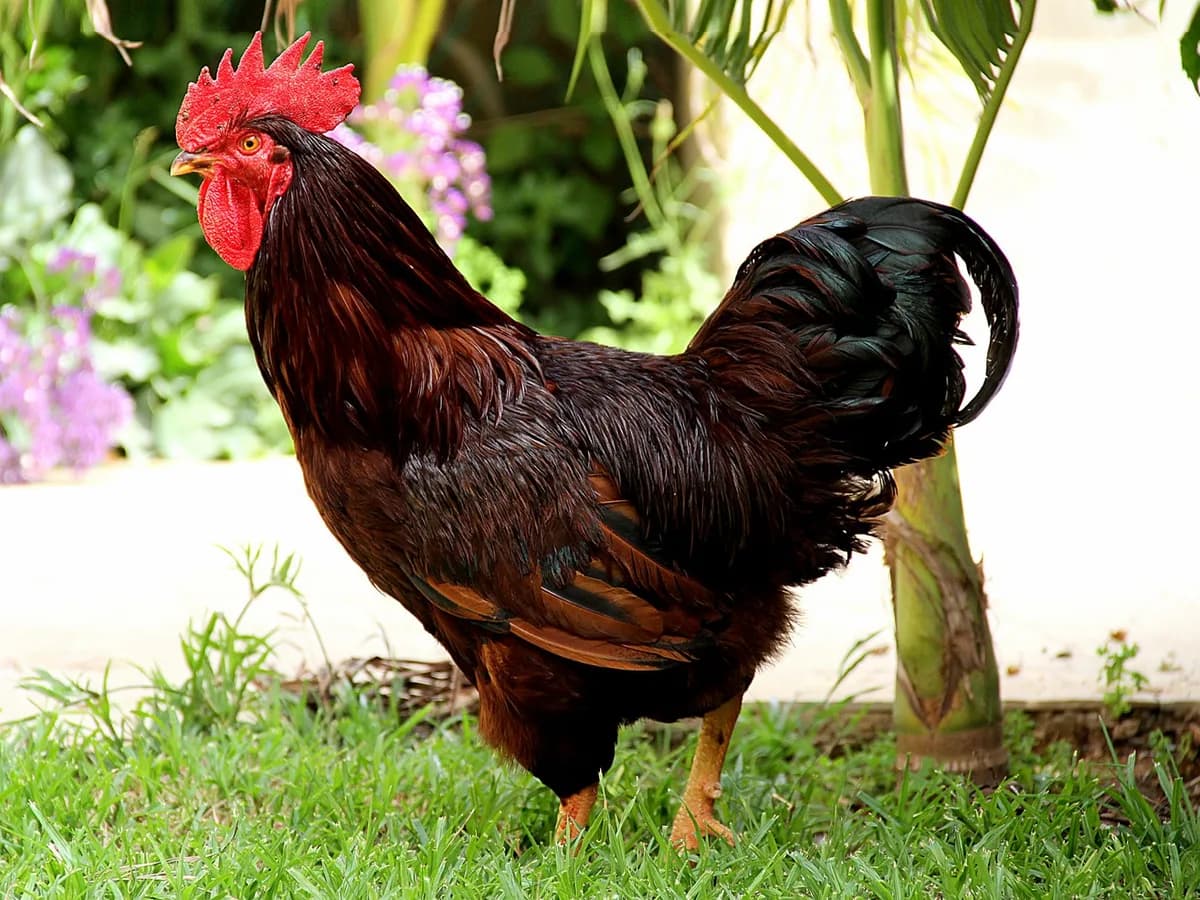
| Rhode Island Red | 250–280 |
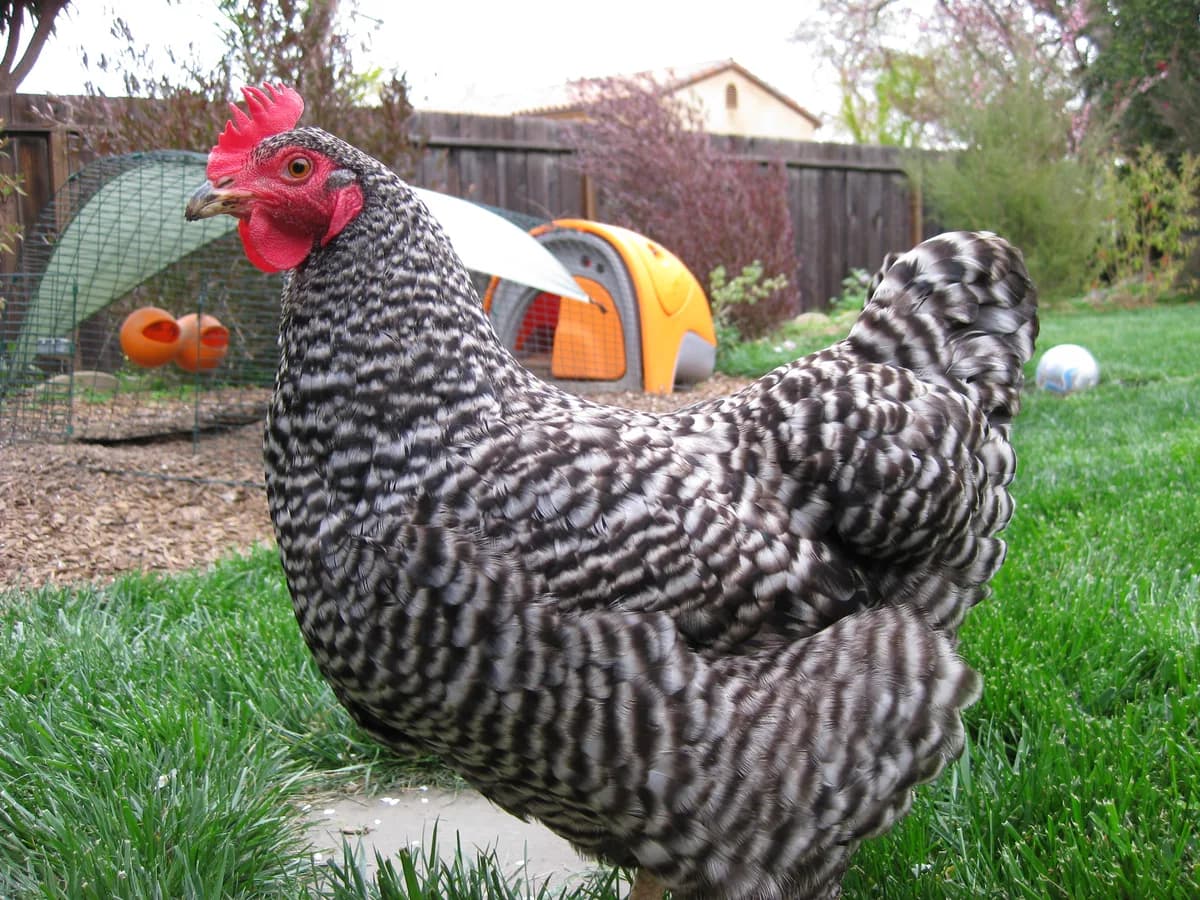
| Barred Rock | 200–280 |
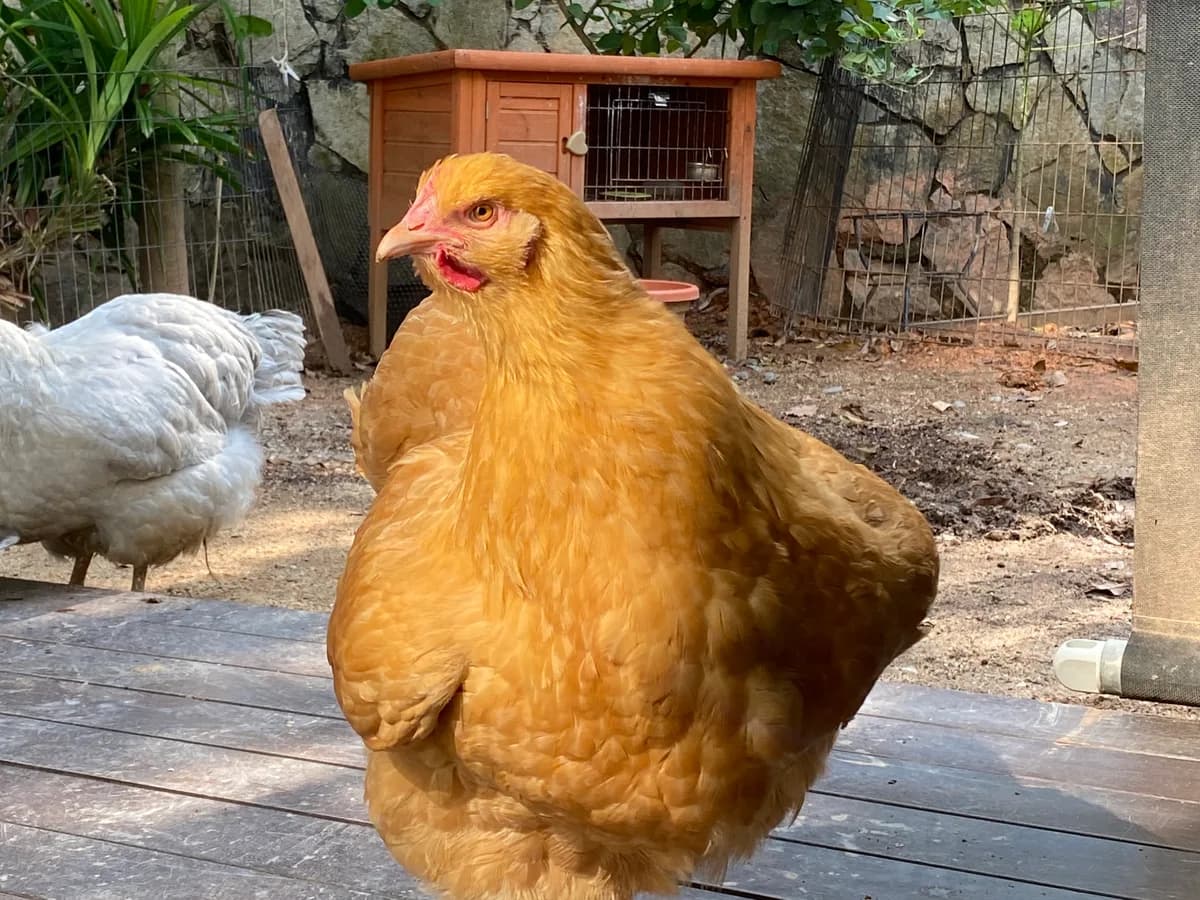
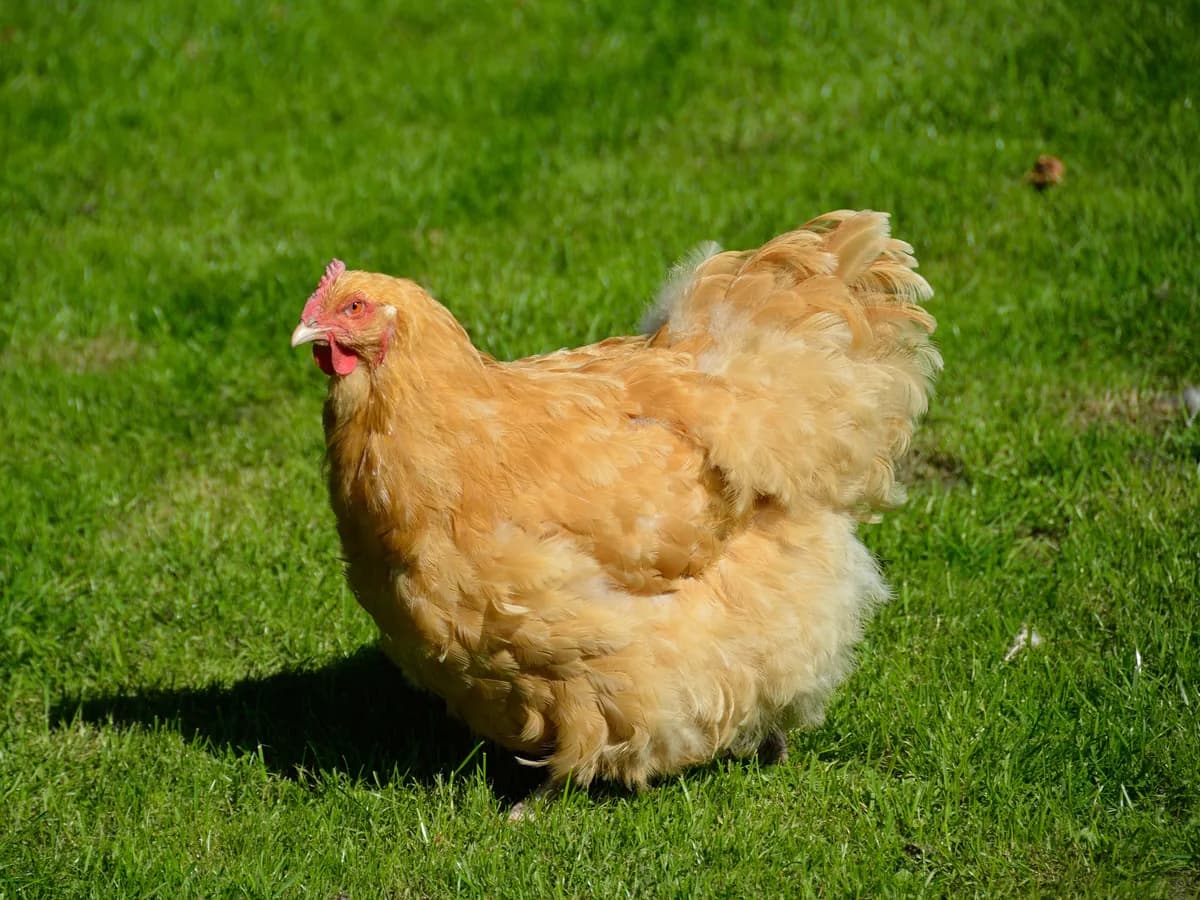
| Buff Orpington | 200–280 |
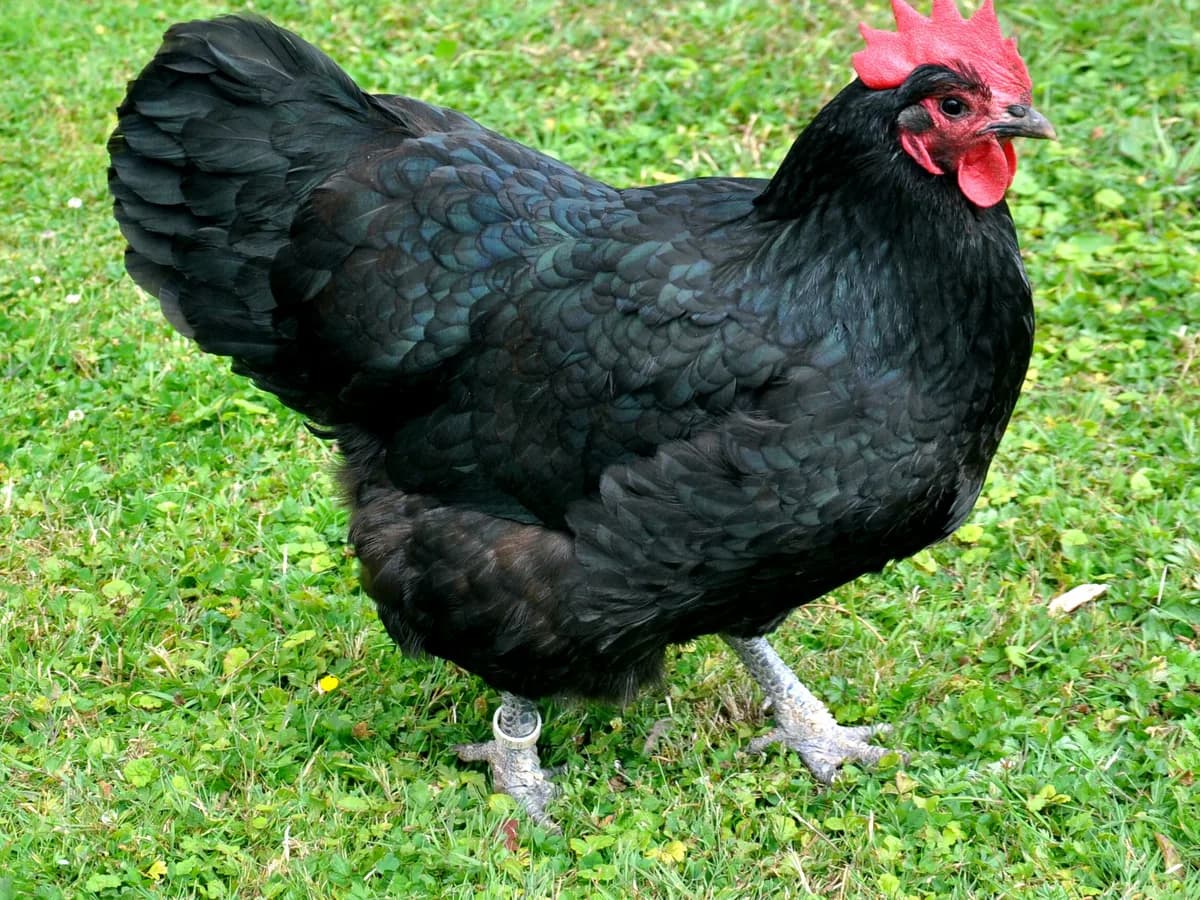
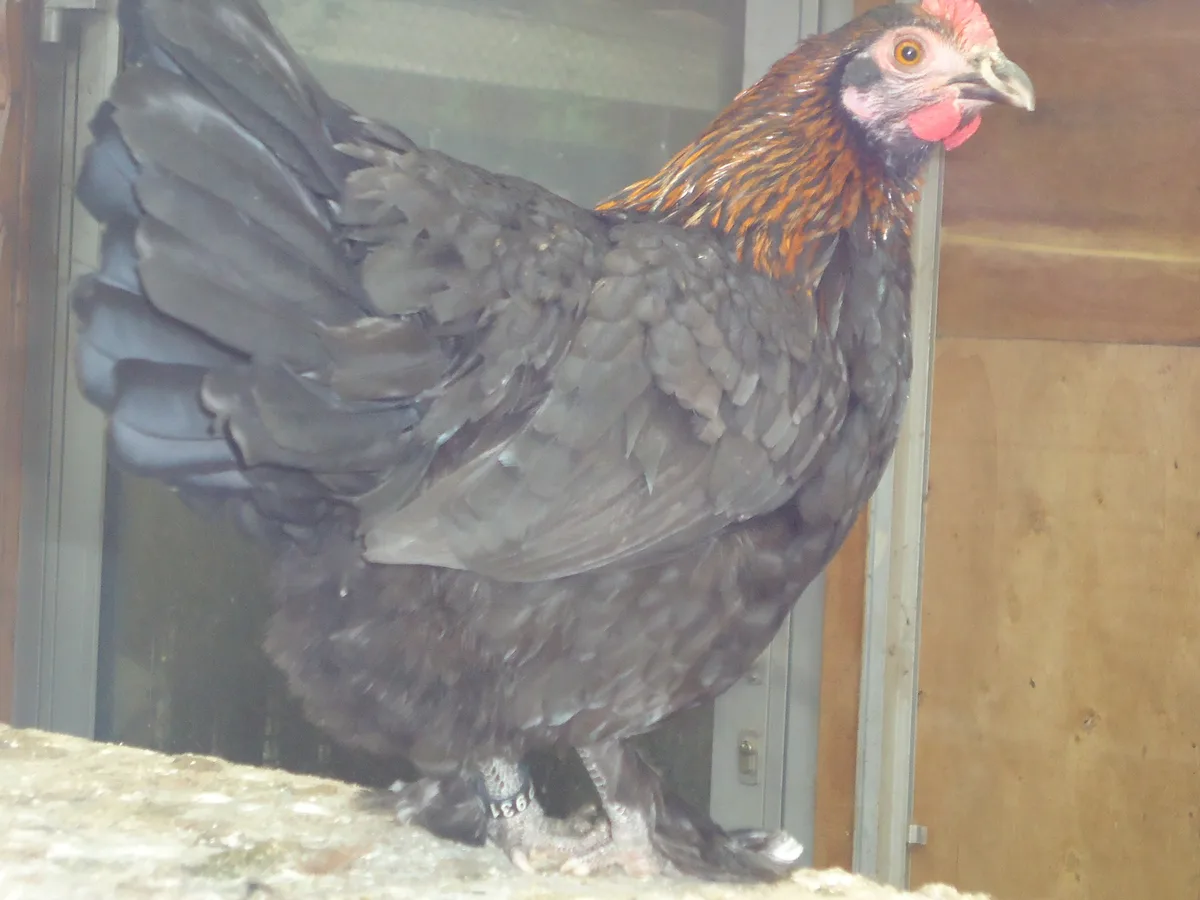
| Black Australorp | 200–280 |
| Ameraucana / Easter Egger | 180–200 |
| Cochin | 100–160 |
Strains matter as much as breeds. The Livestock Conservancy gives the Rhode Island Red a wider 200 to 300, for example.
Mississippi State Extension notes that sex-links, crossbred hens such as Black Stars and Red Stars, are extremely good layers and can often produce 300 eggs a year or more.
Once you have your birds, our Egg Log shows what your flock actually lays, and the Laying Calculator tells you when pullets should start.
2. What egg color do you want?
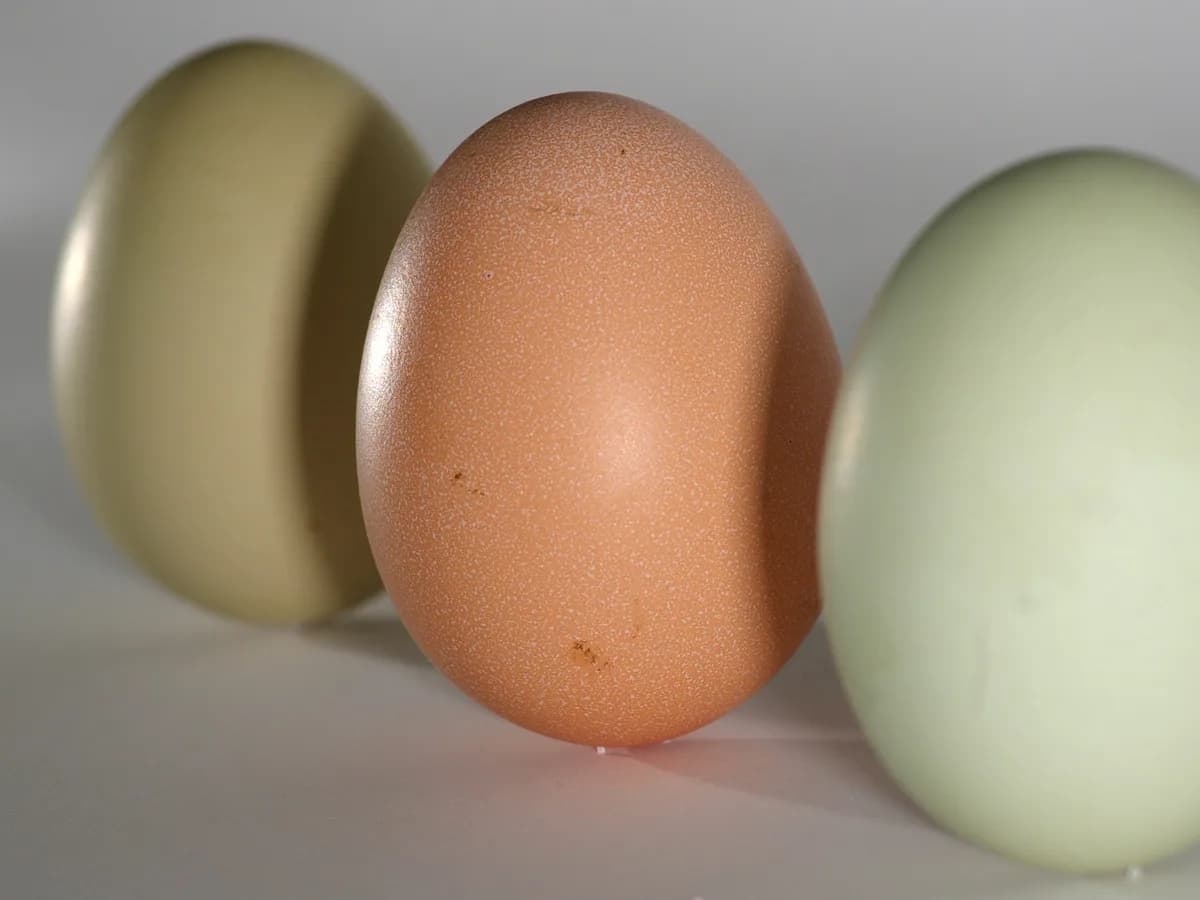
Shell color is set by breed, so if you dream of a rainbow carton, plan it now:
- White: White Leghorn and Polish. Poultry Extension calls the White Leghorn the principal white egg producer.
- Cream or tinted: Silkie (Oklahoma State), and some Australorps and Salmon Faverolles (sources describe tinted to light brown shells).
- Brown: Rhode Island Red, Barred Rock, Buff Orpington, Wyandotte, Speckled Sussex, Cochin, Brahma, Jersey Giant, New Hampshire, Delaware, Dominique, and hybrids like the Red Sex Link and ISA Brown.
- Dark chocolate brown: Black Copper Marans, with very dark reddish-brown shells (UW–Madison Extension). The University of Maine says Barnevelders and Welsummers also lay a very dark brown, almost chocolate egg.
- Blue, green or pinkish: Ameraucanas and Easter Eggers. Poultry Extension says eggs from Ameraucana and Easter Egger hens vary from pink to green.
- Olive: Olive Eggers, crosses of blue-egg and brown-egg layers. UW–Madison explains the brown pigment is added to the outside of a blue shell.
A handy tip from UF/IFAS Extension: in many cases, a hen's earlobe color corresponds to her egg color. White-earlobed Leghorns lay white eggs; red-earlobed breeds usually lay brown. Our free Egg Color Chart printable puts every breed here on one page.
3. Match the breed to your climate
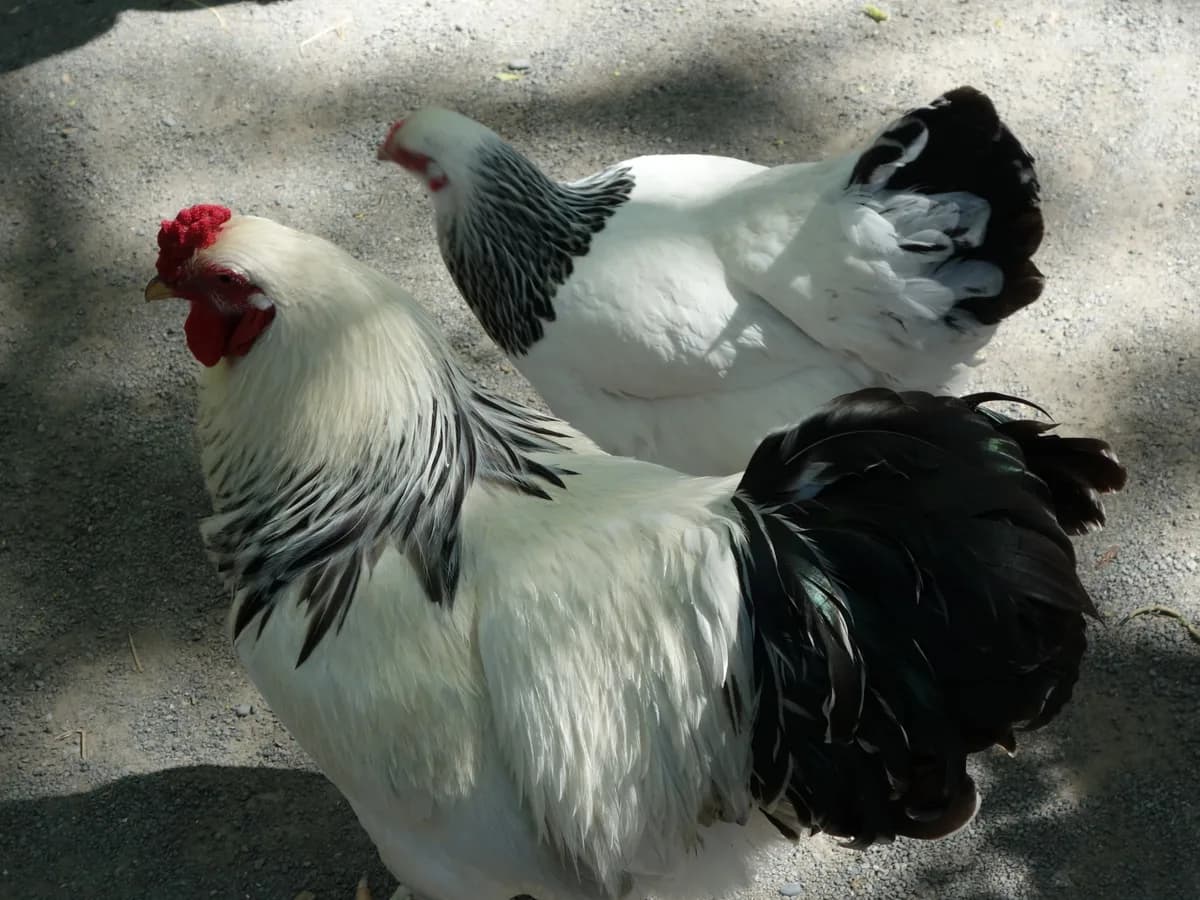
Cold winters: look for small combs and plenty of feathers. Rutgers Extension warns that big combs can get frostbite and suggests small-combed breeds for cold areas. UW–Madison says the Brahma's pea comb and feathered legs let it stand cold very well, and Oklahoma State notes the Wyandotte's rose comb doesn't freeze as easily as a single comb. Use the "Handles cold winters" filter above.
Hot summers: Rutgers says Mediterranean breeds such as the Leghorn generally do well in hot, humid areas. Heavy, fluffy breeds are the opposite: Mississippi State says Brahmas and Wyandottes don't do well in heat, and the Livestock Conservancy advises shade for black Australorps and for Cochins.
4. Temperament: pets, kids and beginners
If you want birds you can pick up, start with breeds extension sources describe as calm or docile. Ohio State names Plymouth Rocks, Orpingtons and Wyandottes among good choices for novice keepers, and the Livestock Conservancy calls the Sussex a suitable breed for beginners. The Livestock Conservancy describes Cochins as extremely gentle and easily tamed, and Australorps as friendly, even the roosters.
At the other end, Mississippi State lists the Leghorn as nervous or flighty, and Ohio State says Leghorns are not usually the best choice for beginners. That doesn't make them bad birds; they're just busy rather than cuddly.
5. Do you want a broody hen?
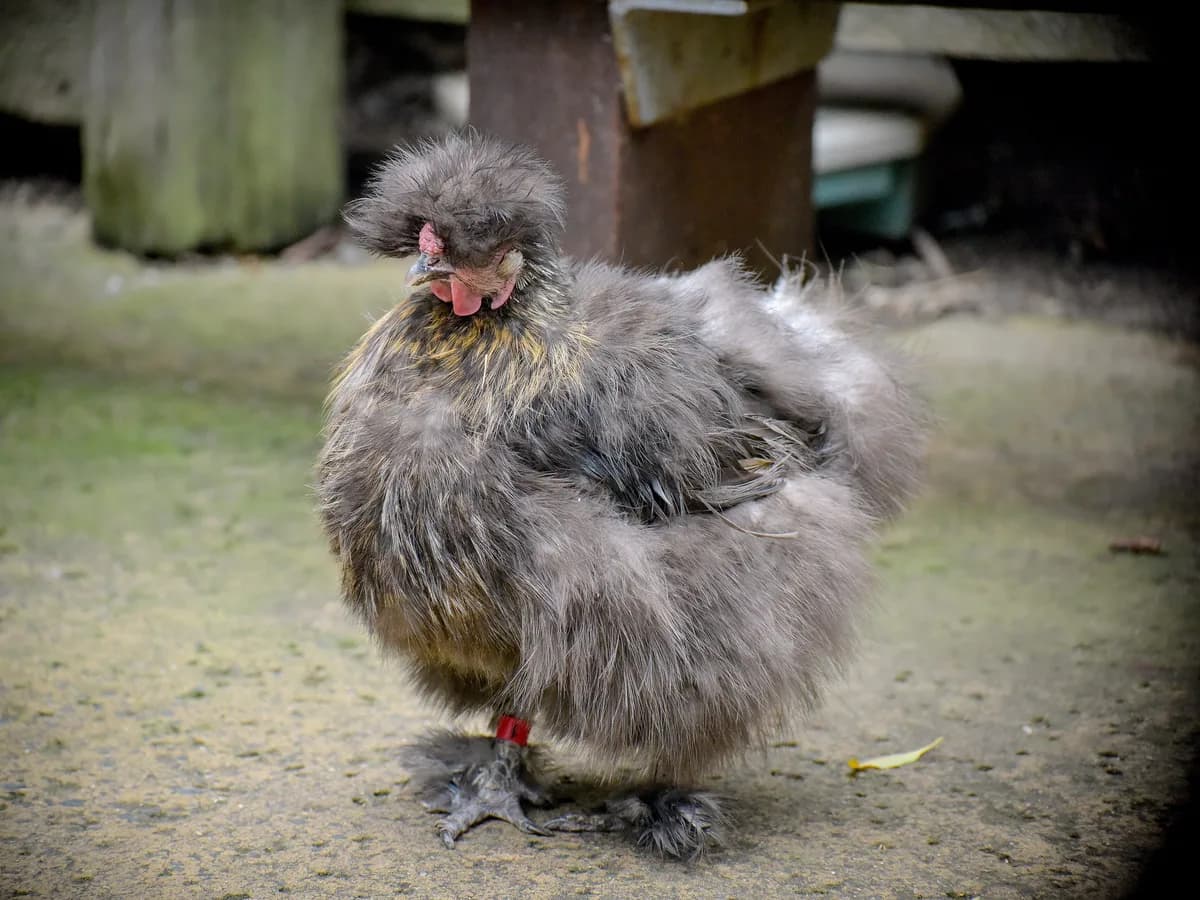
A broody hen wants to sit on eggs and hatch them. If you'd like to raise chicks the natural way, that's a gift: Oregon State Extension calls Cochins and Silkies "champions at going broody," and Plymouth Rocks, Orpingtons and Sussex also make good mothers. If you want the most eggs, choose a breed that rarely goes broody, like the Leghorn. A broody hen stops laying while she sits.
Planning a hatch? Our Hatch Countdown gives you the due date, candling days and lockdown day.
6. Size and space
Breeds range from 2-pound Silkie bantams to 12-pound Brahma roosters. Poultry Extension notes that most breeds come in a standard and a bantam size, and that bantams are typically about a quarter of the size, easier to handle, eat less feed and take up less space. Big breeds need roomier nest boxes and roosts.
Breeds vs. hybrids
Most birds in this directory are breeds recognized by the American Poultry Association. Some popular backyard chickens aren't breeds at all, and we label those clearly as hybrids:
- Easter Eggers are mixed birds that carry the colored-egg gene. UW–Madison describes them as a cross of Ameraucanas and another breed.
- Olive Eggers are crosses of blue-egg and brown-egg layers; the University of Maine lists them among crosses.
- ISA Browns are a commercial hybrid layer; Utah State labels them a hybrid.
- Sex-links are crossbreds whose chicks can be sexed by color at hatch, Mississippi State explains. Black Stars come from a Rhode Island Red or New Hampshire rooster over a Barred Rock hen; Red Stars come from a Rhode Island Red or New Hampshire rooster over hens such as a White Rock, Silver Laced Wyandotte, Rhode Island White or Delaware.
Heritage and rare breeds
Some breeds need keepers to survive. The Livestock Conservancy currently lists the New Hampshire as Threatened, the Jersey Giant, Delaware and Sussex as Recovering, and the Cochin as Watch, while the Rhode Island Red, Orpington and Australorp have graduated from its priority list. Choosing a heritage breed helps keep it going.
Sources
- University of New Hampshire Extension: Producing Your Own Eggs
- Mississippi State University Extension P3036: Choosing the Right Breed for Your Backyard Flock
- Ohio State University: Chicken Breed Selection
- UF/IFAS AN232: Selecting Chickens for a Backyard Flock
- Rutgers Cooperative Extension: Small Farm Chicken Breeds
- University of Wisconsin–Madison Extension A2880: Chicken Breeds and Varieties
- Poultry Extension: Selecting a Chicken Breed for Small or Backyard Flocks
- Poultry Extension: Raising Chickens for Egg Production
- Oregon State University Extension PNW 565
- Oklahoma State University: Breeds of Livestock, Chickens
- University of Maine Cooperative Extension Bulletin 2104
- UW–Madison Extension: Exhibiting Eggs as a 4-H or FFA Project
- Utah State University Extension: Managing Chickens From Chicks to Peak Egg Production
- The Livestock Conservancy: Conservation Priority List
- American Poultry Association: Recognized Breeds and Varieties
Last updated October 26, 2026. See our editorial policy and photo credits.