Cold-Hardy Chicken Breeds for Snowy Winters
Updated October 27, 2026 · Fact-checked against university extension sources (how we check)
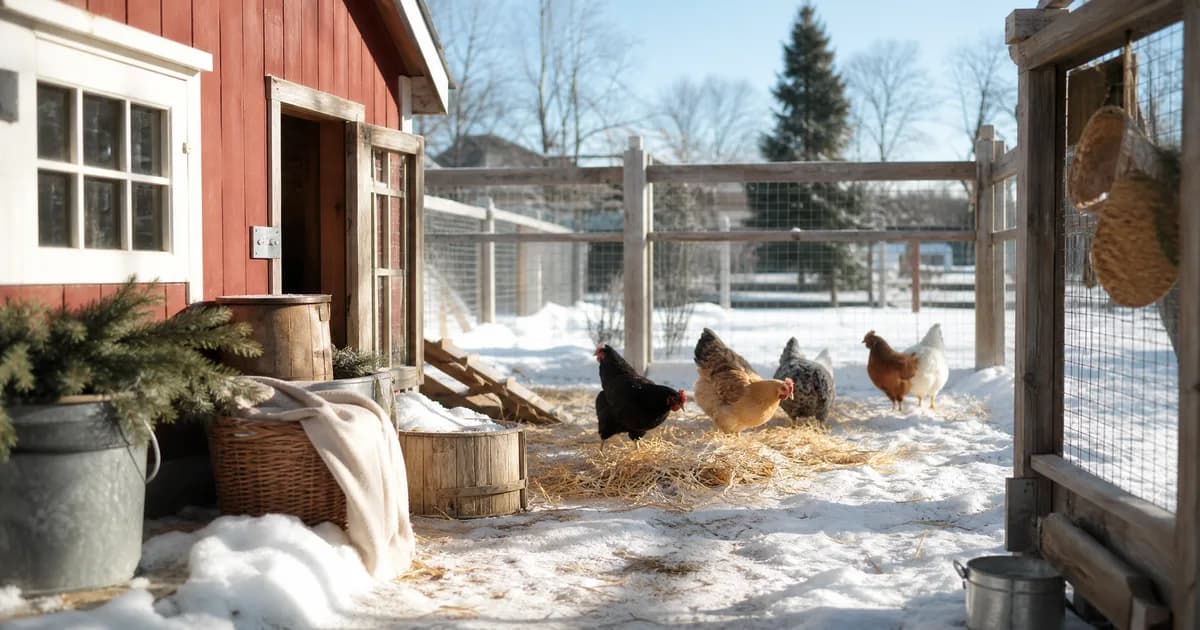
If your winters bring snow and single-digit nights, the breeds you choose make winter easier on you and your hens. Here are the breeds university extension sources and breed authorities describe as cold-hardy, built from the facts in our Breed Directory, plus the ones that need a little extra care.
Want to filter them yourself? Open the Breed Directory with "Handles cold winters" turned on.
What makes a breed cold-hardy?
A small comb
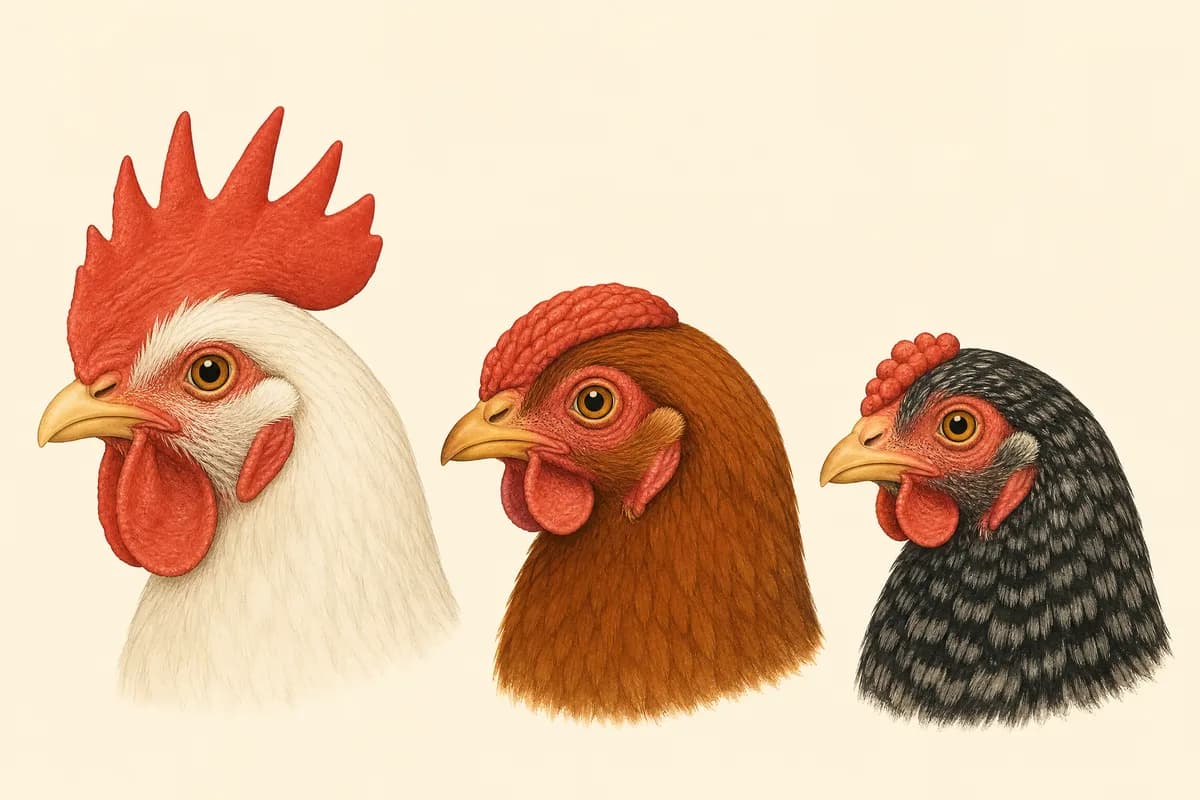
Combs and wattles are where frostbite strikes first. Rutgers Extension warns that "combs can get frost bite" and suggests using "a small comb variety in cold areas." Oklahoma State explains that the Wyandotte's rose comb doesn't "freeze as easily as single combs," and UW–Madison credits the Brahma's pea comb for helping it handle cold. Our guide to chicken frostbite covers prevention and care.
Heavy feathering
The Livestock Conservancy says of the Cochin: "All that feathering makes them cold-hardy." UW–Madison says the Brahma's "well-feathered shanks and toes enable them to stand cold temperatures very well," and Oklahoma State says the Salmon Faverolles has "an abundance of feathers, giving the bird winter protection."
The right coop
No breed is cold-proof in a damp, drafty coop. Ohio State Extension says acclimated, cold-tolerant breeds in "an insulated, dry coop with adequate ventilation do not usually need supplemental heat." See winter coop ventilation and do chickens need heat in winter?.
Cold-hardy breeds
Every breed below has a cold rating from its sources, listed on its breed page. Small-combed breeds are listed first.
| Breed | What sources say about cold | Comb | Hot weather |
|---|---|---|---|
| Rhode Island Red | Keeps laying into moderately cold weather and handles marginal conditions. | Single or rose | – |
| Wyandotte | Quite cold-hardy; the rose comb does not freeze as easily as a single comb. | Rose | Does not do well in the heat. |
| Brahma | Pea comb and feathered shanks and toes let them stand cold very well. | Pea | Not ideal for warmer climates. |
| Dominique | Hardy; their heavy plumage protects them in cold weather. | Rose | – |
| Barred Plymouth Rock | Does not mind the cold. | Single | – |
| Buff Orpington | Known to lay well in the winter months. | Single | – |
| Speckled Sussex | Does well in winter. | Single | Not fond of the heat. |
| Cochin | All that feathering makes them cold-hardy. | Single | Needs shade in hot weather. |
| Black Copper Marans | Winter-hardy. | Single | – |
| Jersey Giant | Very cold-hardy, though roosters' large single combs can get frostbite. | Single | Does not do well in the heat. |
| New Hampshire | Known for cold tolerance, and can do well in warm climates if housed well. | Single | – |
| Welsummer | Cold-weather hardy. | Single | – |
| Barnevelder | Hardy, from a home district with cold winds and a damp climate. | Single | – |
| Salmon Faverolles | Abundant feathers protect them in winter, and they keep laying when others stop. | Single | – |

A few standouts
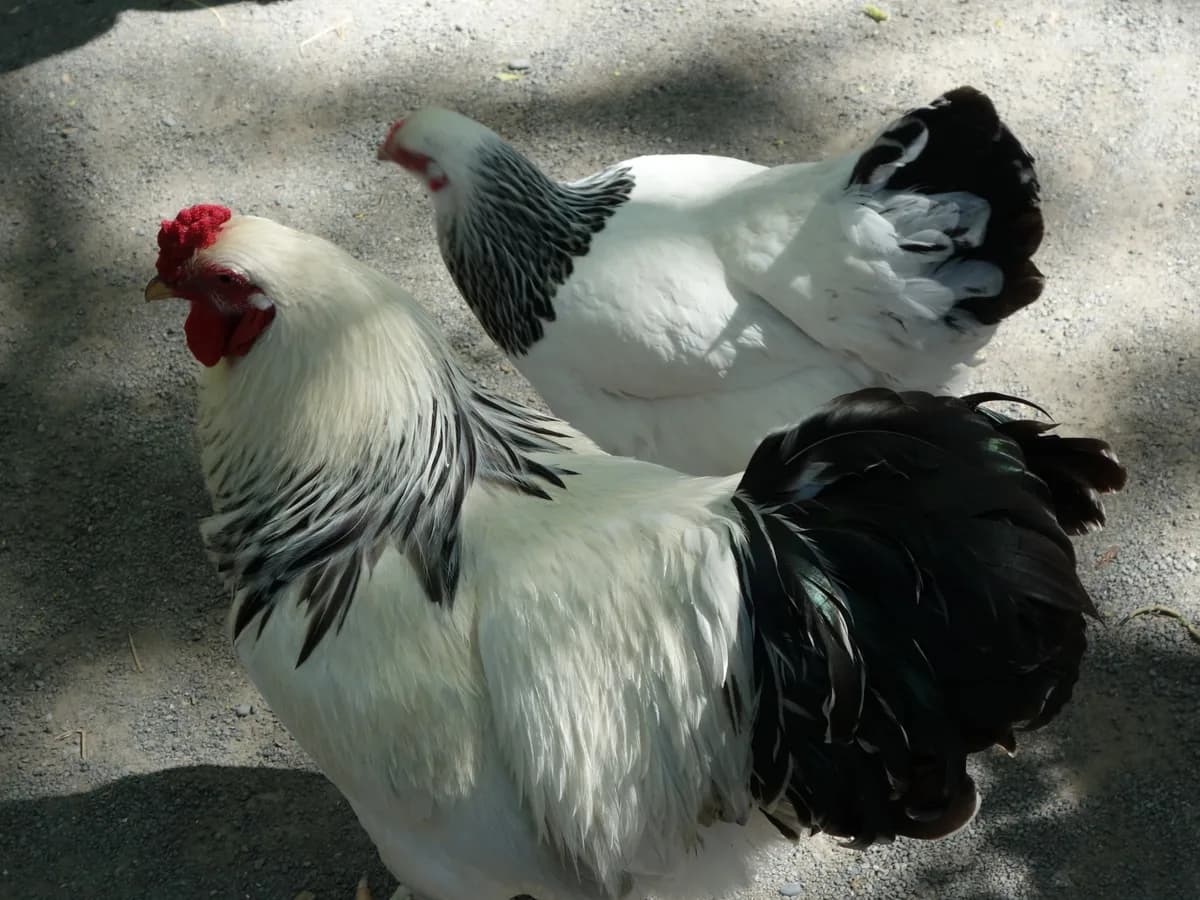
- Brahma. UW–Madison says its pea comb and feathered feet let it "stand cold temperatures very well." Mississippi State calls Brahmas "extremely hardy," but notes they are "not ideal for warmer climates."
- Wyandotte. Mississippi State calls Wyandottes "quite cold hardy," and Ohio State lists them among good breeds for beginners.
- Dominique. Oklahoma State says "the heavy plumage not only protected the birds in cold weather," and the rose comb helps too.
- Buff Orpington. Ohio State says Orpingtons are "known to lay well in the winter months too."
- Salmon Faverolles. Oklahoma State says it will "continue to lay eggs in the winter where other birds will have stopped."
- Jersey Giant. The Livestock Conservancy calls it "a very cold-hardy breed," with one caution: roosters' "large single combs" can get frostbite.
Breeds that need extra care in winter
These breeds can live in cold climates, but their sources flag a cold-weather issue:
| Breed | What sources say about cold | Comb |
|---|---|---|
| White Leghorn | The big single comb can get frostbite; Rutgers suggests small-combed breeds for cold areas. | Large single |
| Polish | Ice can form in the crest from drinking water in cold weather. | V-shaped |
- White Leghorn: a big single comb. Rutgers says Mediterranean breeds do well in heat, and suggests small-combed breeds where it's cold. Leghorns also come in a rose-comb variety.
- Polish: UW–Madison warns "ice forming in their crests from drinking water can be a problem in cold weather." A nipple waterer can help; UW–Madison notes nipple waterers "can help keep crested chickens from getting ice on their crests."
Breeds without a cold rating
Our sources don't give a cold-weather rating for the Australorp, Easter Egger, Silkie, Ameraucana, Delaware, Olive Egger, Red Sex Link and ISA Brown, so we don't guess. Their comb types and feathering, listed on each breed page, are a good clue.
Many cold-hardy breeds dislike heat
Several of the hardiest breeds struggle in summer. Sources say the Wyandotte "does not do well in the heat," the Brahma is "not ideal for warmer climates," the Jersey Giant "does not do well in the heat" and the Speckled Sussex is "not fond of the heat." If your summers are hot as well as your winters cold, plan for summer shade.
Plan space for big breeds
Many cold-hardy breeds are big. Brahmas, Cochins and Jersey Giants need more room in the coop and on the roost. Our free Coop Size Calculator works out the space for your breeds.
Sources
- Rutgers Cooperative Extension: Small Farm Chicken Breeds
- University of Wisconsin–Madison Extension A2880: Chicken Breeds and Varieties
- UW–Madison Extension: Preparing for Winter
- Mississippi State University Extension P3036
- Ohio State University: Chicken Breed Selection
- Ohio State University Extension ANR-66: Winter and Your Backyard Chickens
- Oklahoma State University: Breeds of Livestock, Wyandotte, Dominique and Faverolles
- The Livestock Conservancy: Cochin, Sussex and Jersey Giant
- Each breed's full sources are listed on its page in the Breed Directory.